

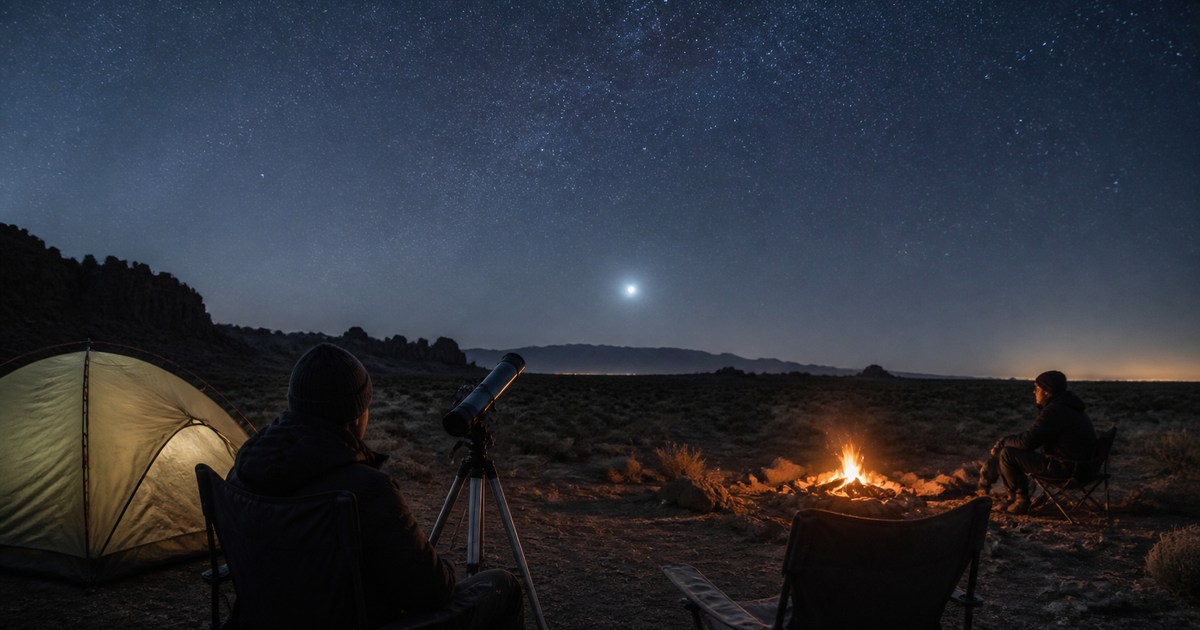
UFO tourism brings travelers to places associated with famous sightings, dark skies, museums and unexplained stories. “UAP” means an observation not yet identified—not evidence of extraterrestrial technology. The best trips combine curiosity with astronomy, local history and careful safety planning.
Quick Guide
- Choose: Look for legal public access and strong dark-sky conditions.
- Check: Review weather, fire risk, road status and restricted areas.
- Observe: Use a sky map and record time, direction and duration.
- Rule out: Compare aircraft, satellites, planets and launches.
- Respect: Do not trespass, shine lasers, or fly drones illegally.
Nine Well-Known UFO Tourism Hotspots
- Roswell, New Mexico: museums and festival culture built around the 1947 incident.
- Rachel and the Extraterrestrial Highway, Nevada: desert folklore near Area 51; the installation itself is restricted.
- Phoenix, Arizona: associated with the 1997 Phoenix Lights and broad desert skies.
- Sedona, Arizona: night-sky tours mix astronomy, landscape and UFO storytelling.
- San Clemente, Chile: often promoted through Chilean UFO-tourism narratives and clear-sky travel.
- Hessdalen, Norway: known for recurring light reports and long-running observation interest.
- Bonnybridge, Scotland: a community frequently mentioned in British UFO folklore.
- Wycliffe Well, Australia: an outback stop associated with sighting stories and dark skies.
- Iino, Fukushima, Japan: local UFO-themed attractions combine folklore, research interest and tourism.
UFO Tourism Places in Pictures
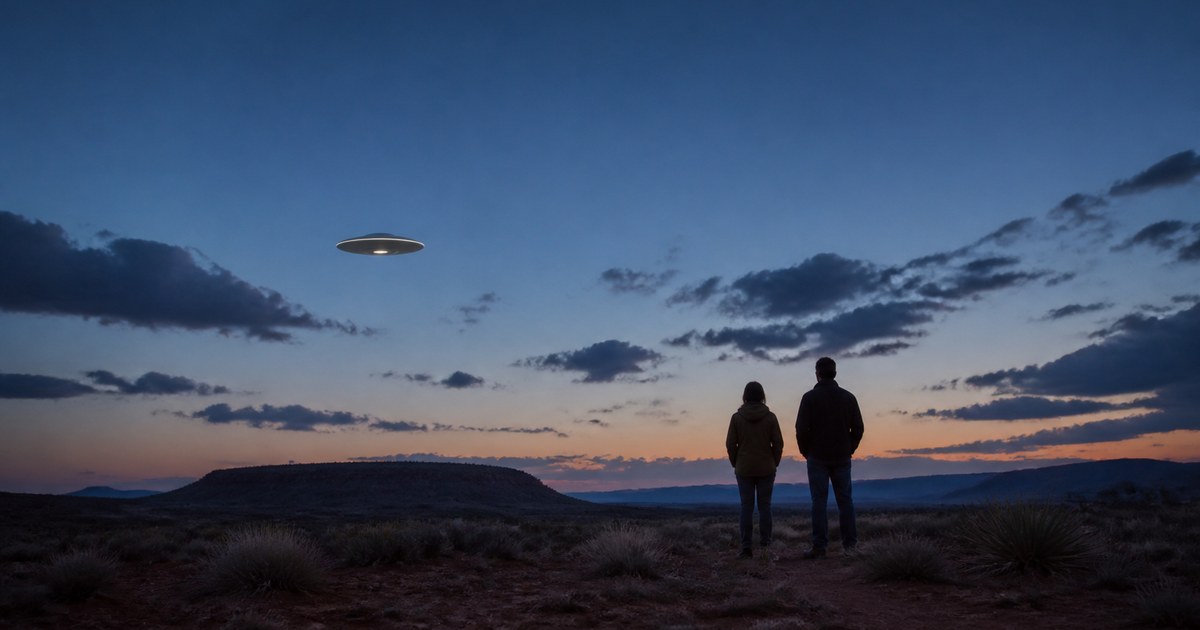
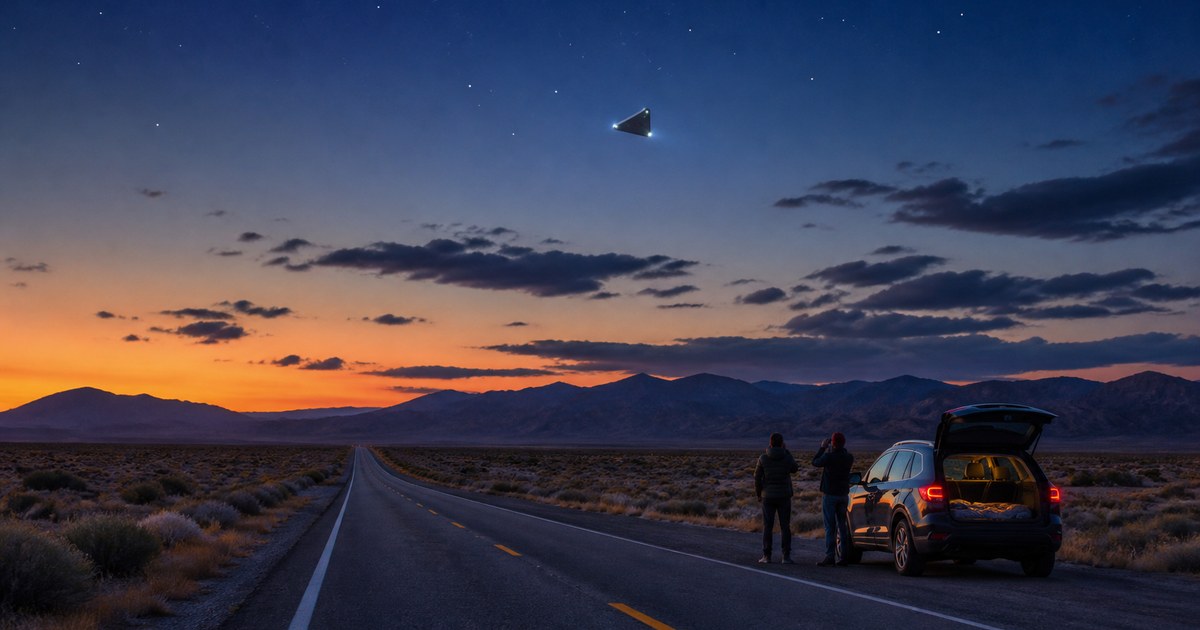
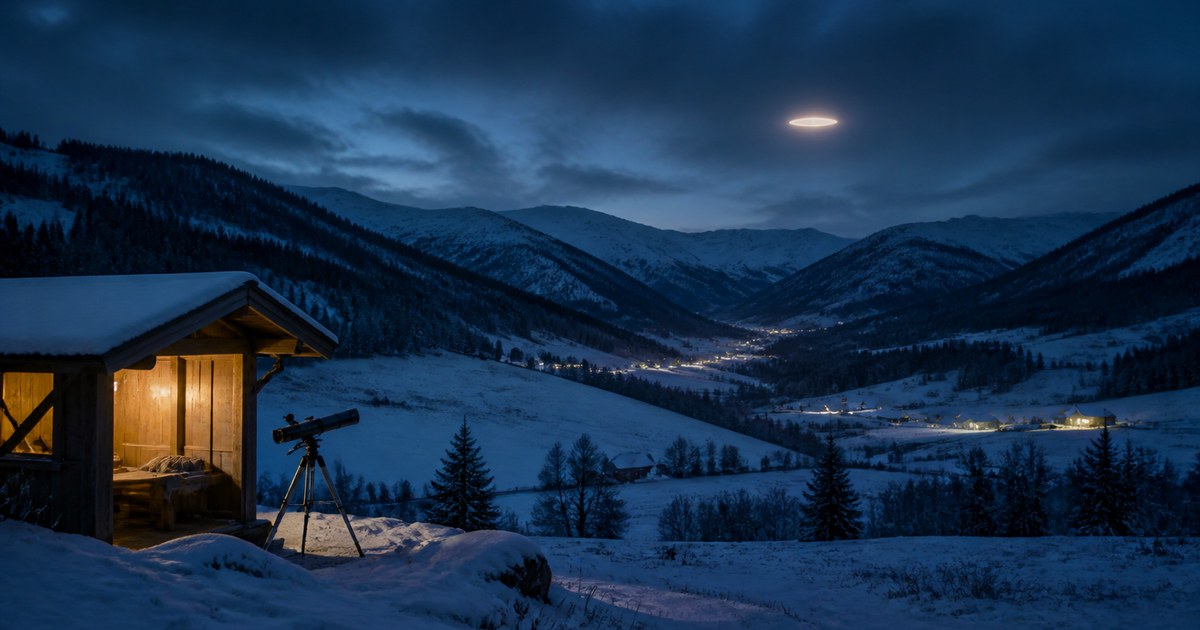
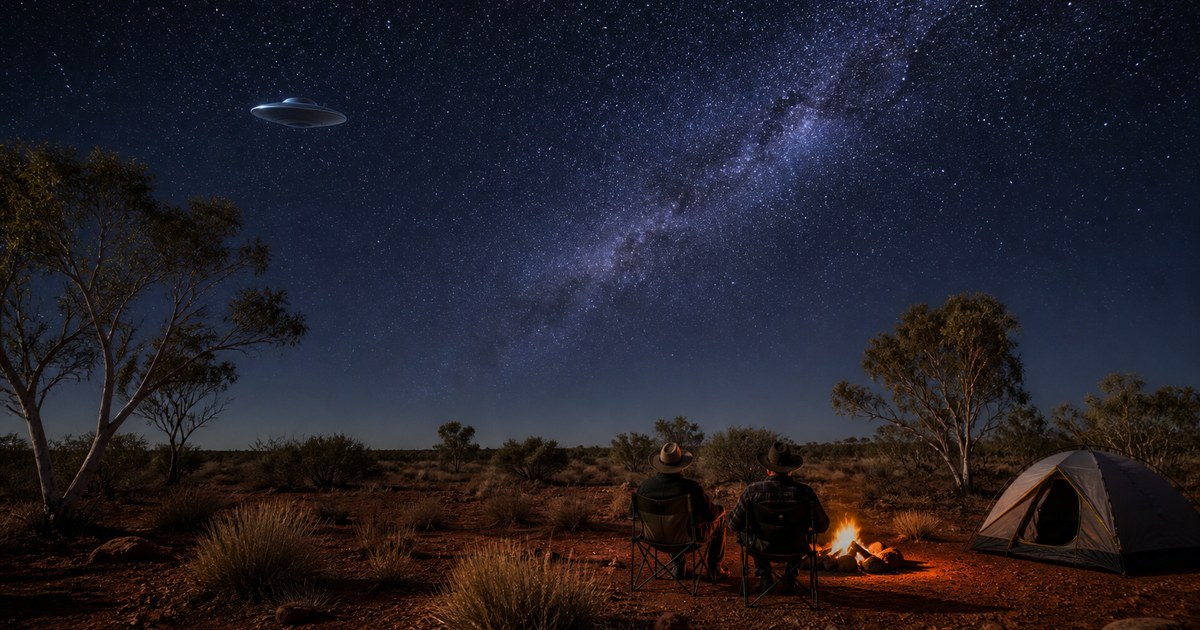
These AI-generated editorial illustrations imagine UFO-themed scenes connected with each destination. They are visual storytelling, not photographs or evidence of extraterrestrial activity.
What “Hotspot” Can Actually Mean
More reports may reflect population, clear skies, local awareness, tourism marketing or easier reporting—not more anomalous activity. A cluster of stories is not a controlled scientific finding.
How to Observe Responsibly
Bring warm layers, water, a red flashlight, map and charged phone. Stay on public roads and designated trails. Never approach military facilities, cross fences, use lasers, or stop unsafely on a highway. Follow drone and night-access rules.
NASA’s UAP information page explains its evidence-focused approach. If the mystery prompts a broader reflective practice, compare it with spiritual meditation; wonder does not require a premature conclusion.
Documenting an Unusual Light
Record date, exact local time, direction, angular movement, duration, weather and camera settings. Check flight trackers, satellite passes, astronomical objects and launch schedules. Preserve the original file. “Unidentified” should remain the conclusion when the evidence is insufficient.
Key Takeaways
- UAP means unidentified, not extraterrestrial.
- Hotspot reputation can reflect reporting and tourism culture.
- Stay off private, military and restricted land.
- Check ordinary astronomical and aviation explanations.
- A memorable night-sky trip does not require a confirmed anomaly.
Frequently Asked Questions
Is UAP the same as alien spacecraft?
No. It means an observation has not yet been identified.
Has NASA confirmed extraterrestrial UAP?
No. NASA reported no conclusive evidence of an extraterrestrial origin.
Why do some places report more sightings?
Population, visibility, culture, reporting systems and tourism can all affect counts.
Can I visit Area 51?
No. The installation is restricted; remain on legal public roads and heed signs.
What equipment should I bring?
Water, layers, red light, map, charged phone, binoculars and a sky-map app.
Can I point a laser at a light?
No. Lasers can endanger aircraft and may be illegal.
Can I fly a drone at night?
Only when local aviation, land and night-operation rules allow it.
How do I rule out satellites?
Check satellite-pass tools using the exact time and location.
Should I report a sighting?
Use a credible reporting or aviation-safety channel and include precise observations.
Are UFO tours scientific research?
Usually they are tourism or entertainment unless a transparent research protocol is documented.